
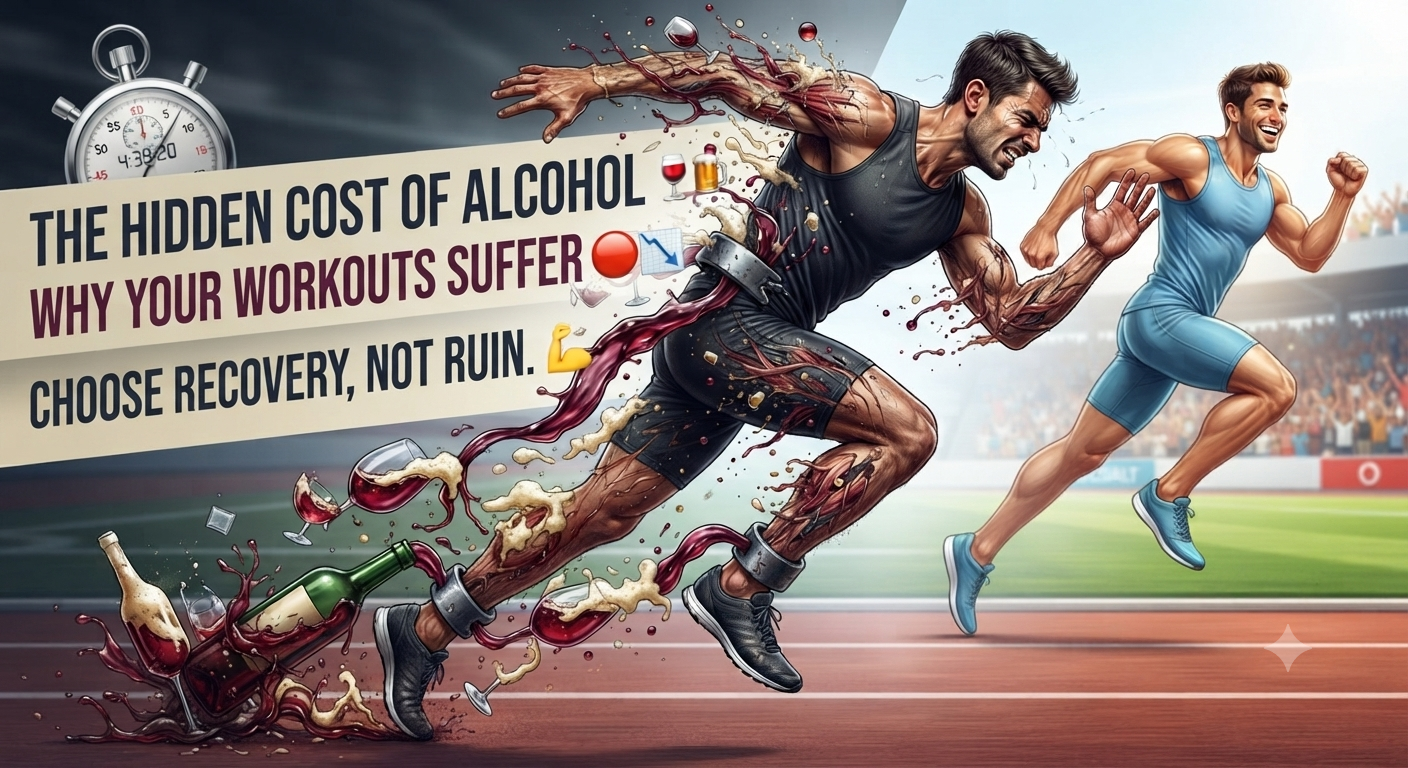
The Hidden Cost of Alcohol: How It Sabotages Your Exercise & Workout Training 🏋️♂️
We all know that balance is key to a healthy life. For many, that balance includes a social drink or a relaxing glass of wine in the evening. However, when you're committed to a fitness routine—whether it’s building muscle, running faster, or improving endurance—it's crucial to understand exactly how alcohol interacts with your body's recovery and performance mechanisms. 🍷⚖️
Think of your body as a high-performance machine, and your workouts as the stimulus to make it stronger and more efficient. Recovery is when the real magic happens. Alcohol, unfortunately, throws a wrench into this process. 🛠️
Here is a breakdown of the physiological impacts that make that post-workout beer or happy hour drink a potential roadblock to your goals.
1. Impaired Muscle Protein Synthesis (Your Gains) 💪
After a workout, your muscles are in a state of repair, synthesizing new proteins to become stronger and larger. This process is called Muscle Protein Synthesis (MPS).
- The Alcohol Effect: Studies have shown that alcohol consumption significantly suppresses the rate of MPS, even when consumed alongside protein. It essentially puts the brakes on your body's ability to rebuild muscle tissue. 🛑
- Hormonal Disruption: Alcohol can lower testosterone levels and increase cortisol (a stress hormone) levels. Testosterone is crucial for muscle growth, while cortisol is catabolic (meaning it breaks down muscle). This hormonal shift creates an environment where building muscle becomes much more difficult. 📉
2. Dehydration and Nutrient Depletion 💧
Optimal hydration is non-negotiable for performance and recovery. Water regulates body temperature, transports nutrients, and lubricates joints.
- The Alcohol Effect: Alcohol is a potent diuretic, causing your body to lose more fluid than it consumes. This leads to dehydration, which can impair coordination, reduce strength, and cause fatigue during your next workout. 🏜️
- Electrolyte Loss: Along with water, alcohol depletes essential electrolytes like magnesium, potassium, and calcium. These are vital for proper muscle contraction and nerve function. ⚡
3. Disrupted Sleep and Recovery 💤
Sleep is arguably the most critical component of recovery. During deep sleep, your body releases growth hormone and repairs tissues.
- The Alcohol Effect: While alcohol might make you feel drowsy and help you fall asleep faster, it severely disrupts sleep architecture, particularly reducing the quality and duration of REM (Rapid Eye Movement) sleep. 😴
- The Result: Even if you get 8 hours of "time in bed," alcohol prevents you from achieving the restorative sleep needed to heal and prepare for the next training session. Waking up unrefreshed means a compromised workout. 🔋
4. Fat Storage and Metabolism ⚖️
If one of your goals is fat loss or body composition, alcohol is a significant obstacle.
- The Alcohol Effect: Alcohol contains 7 calories per gram—almost as much as pure fat (9 calories/g)—and these are "empty calories" with no nutritional value. 🍔
- Prioritized Processing: When alcohol is in your system, your body prioritizes metabolizing it and stops burning fat. The body sees alcohol as a toxin and wants to eliminate it immediately. This means any fat or carbohydrates consumed with or after alcohol are more likely to be stored as body fat. 🚫
5. Reduced Performance and Aerobic Capacity 🏃♂️💨
Even if you don't feel hungover, the physiological effects of alcohol linger.
- The Alcohol Effect: Dehydration, electrolyte imbalance, and poor sleep directly translate to reduced endurance, lower aerobic capacity, and slower reaction times. ⏱️
- Increased Heart Rate: Alcohol can increase your resting heart rate and make your heart work harder during exercise, leading to premature fatigue. ❤️🔥
**The Bottom Line: Do You Have to Choose?**
Absolutely not. You can still enjoy alcohol in moderation without derailing your fitness journey. It’s about making smart choices and understanding the timing. ✨
- Moderation is Key: This is the most important rule. ☝️
- Don't Drink Immediately After a Workout: Allow your body time to begin the recovery process, rehydrate, and refuel before consuming alcohol. 🥗
- Hydrate and Eat Beforehand: Never drink on an empty stomach, and for every alcoholic beverage, drink a full glass of water. 💧
- Avoid Heavy Drinking Before Training Days: Be mindful of your schedule. If you have a hard training session or a long run the next morning, it's best to skip the alcohol. 🗓️
By being conscious of how alcohol affects your unique physiology, you can make informed decisions that allow you to enjoy a social life while still crushing your fitness goals. 🚀
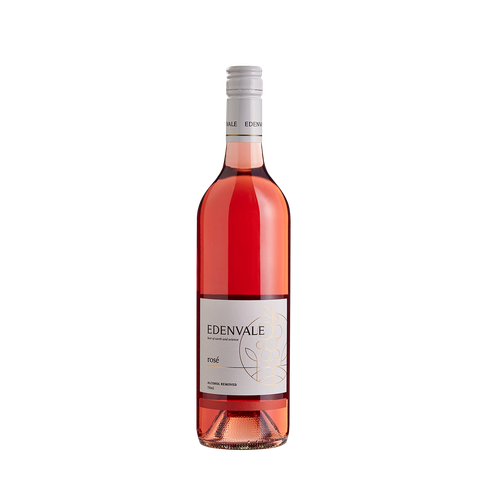
If you want to maintain your evening ritual without the physiological downsides of alcohol, consider swapping to a premium alcohol-free alternative. It’s the easiest way to keep your social life alive while keeping your recovery on track.