
🤰 Can Pregnant Women Drink Alcohol-Free Wine? A Practical Guide for Expectant Mums in Malaysia
Category: Lifestyle & Wellness
Reading time: ~5 min
Pregnancy often brings a new relationship with food and drink. For many expectant mums, the desire to enjoy a glass of wine — whether at a family dinner, a celebration, or simply at the end of a long day — doesn't disappear when they become pregnant. It just becomes more complicated.
Alcohol-free wine has become an increasingly popular option for pregnant women around the world. But is it actually safe? And what should Malaysian mums-to-be know before reaching for a glass?
This guide sets out the facts clearly, so you can make an informed decision with your healthcare provider. 💛
⚕️ Important notice: This article is for general informational purposes only and does not constitute medical advice. Every pregnancy is different. Please consult your doctor, gynaecologist, or midwife before making any dietary decisions during pregnancy.
🚫 Why Pregnant Women Avoid Conventional Wine
The reason doctors advise against alcohol during pregnancy is well-established. Alcohol passes through the placenta to the developing foetus, which lacks the ability to process it as efficiently as an adult. Exposure to alcohol during pregnancy has been associated with a range of complications, which is why major health bodies — including the World Health Organisation (WHO) — recommend that pregnant women avoid alcohol entirely.
This is not a new or contested position. The conservative, evidence-based recommendation is no alcohol during pregnancy.
🍷 What Is Alcohol-Free Wine, Exactly?
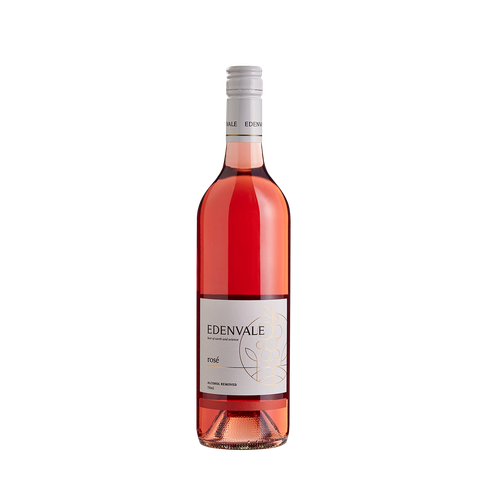
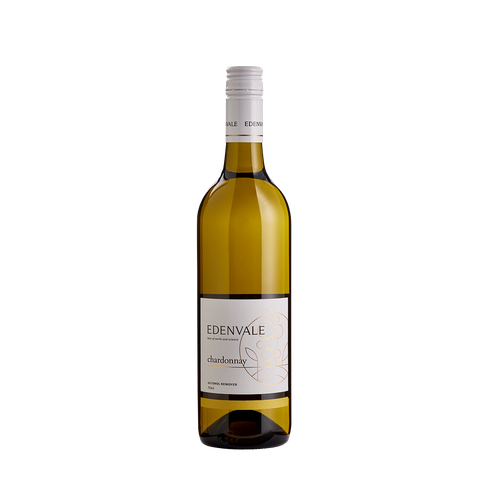
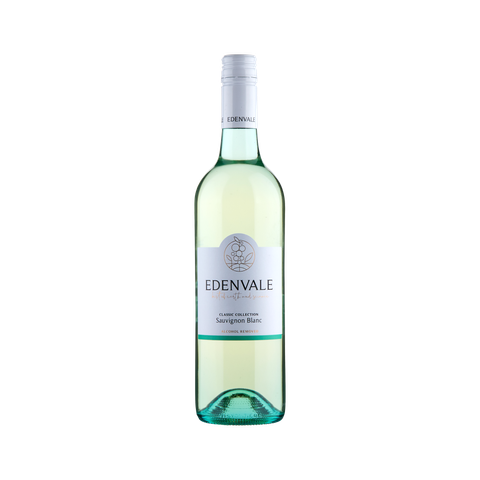
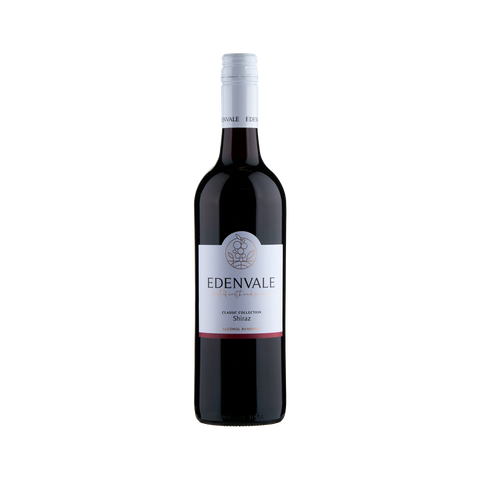
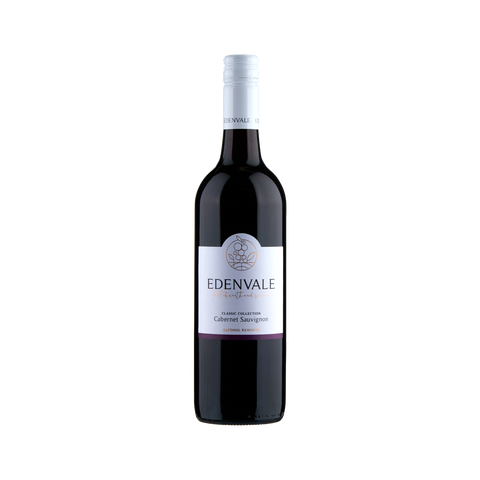
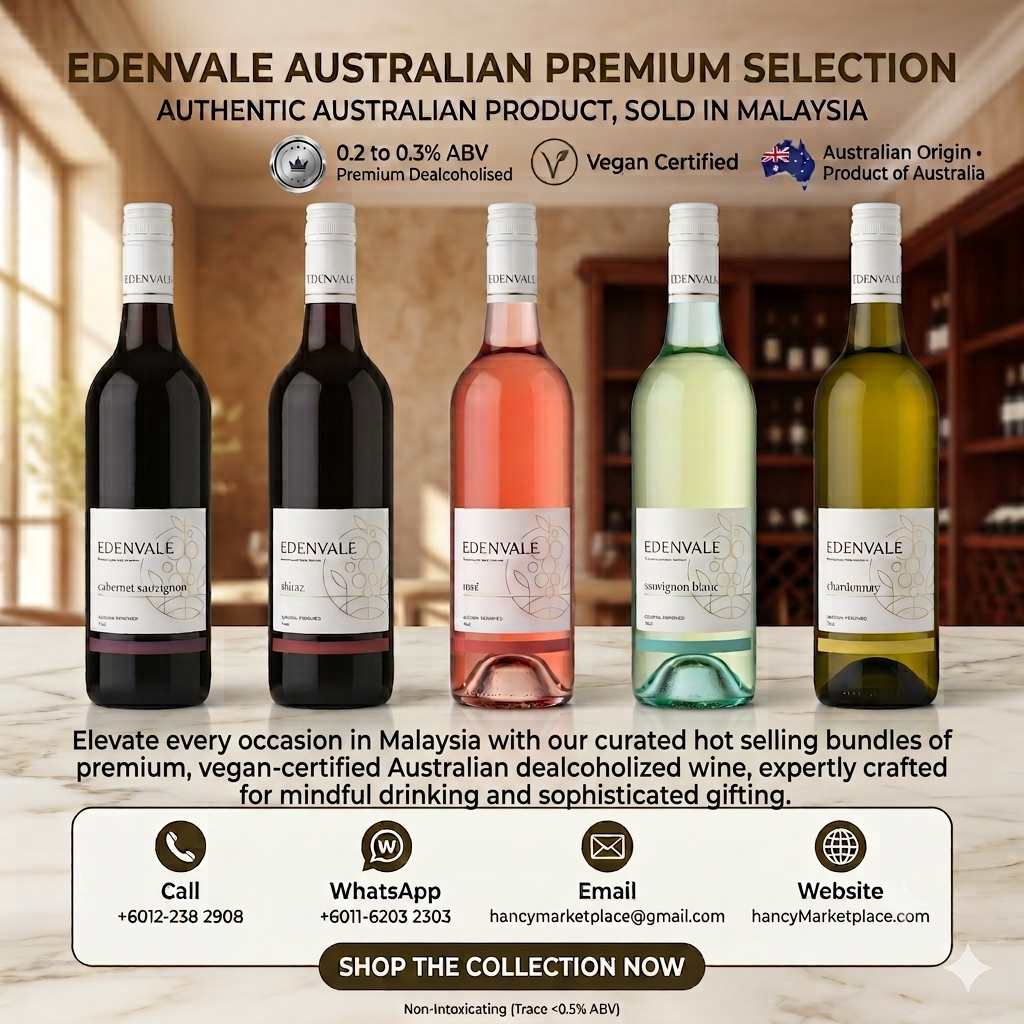
Dealcoholised wine — such as Edenvale — is conventional wine from which the alcohol has been removed after full fermentation. The process used by Edenvale, called GoLo Technology, removes alcohol gently at low temperatures, preserving the wine's flavour and aroma while reducing the ABV to less than 0.5%.
This is the same threshold used by food standards regulators in many countries to classify a product as "alcohol-free" or "de-alcoholised".
📊 What Does "Less Than 0.5% ABV" Mean in Practice?
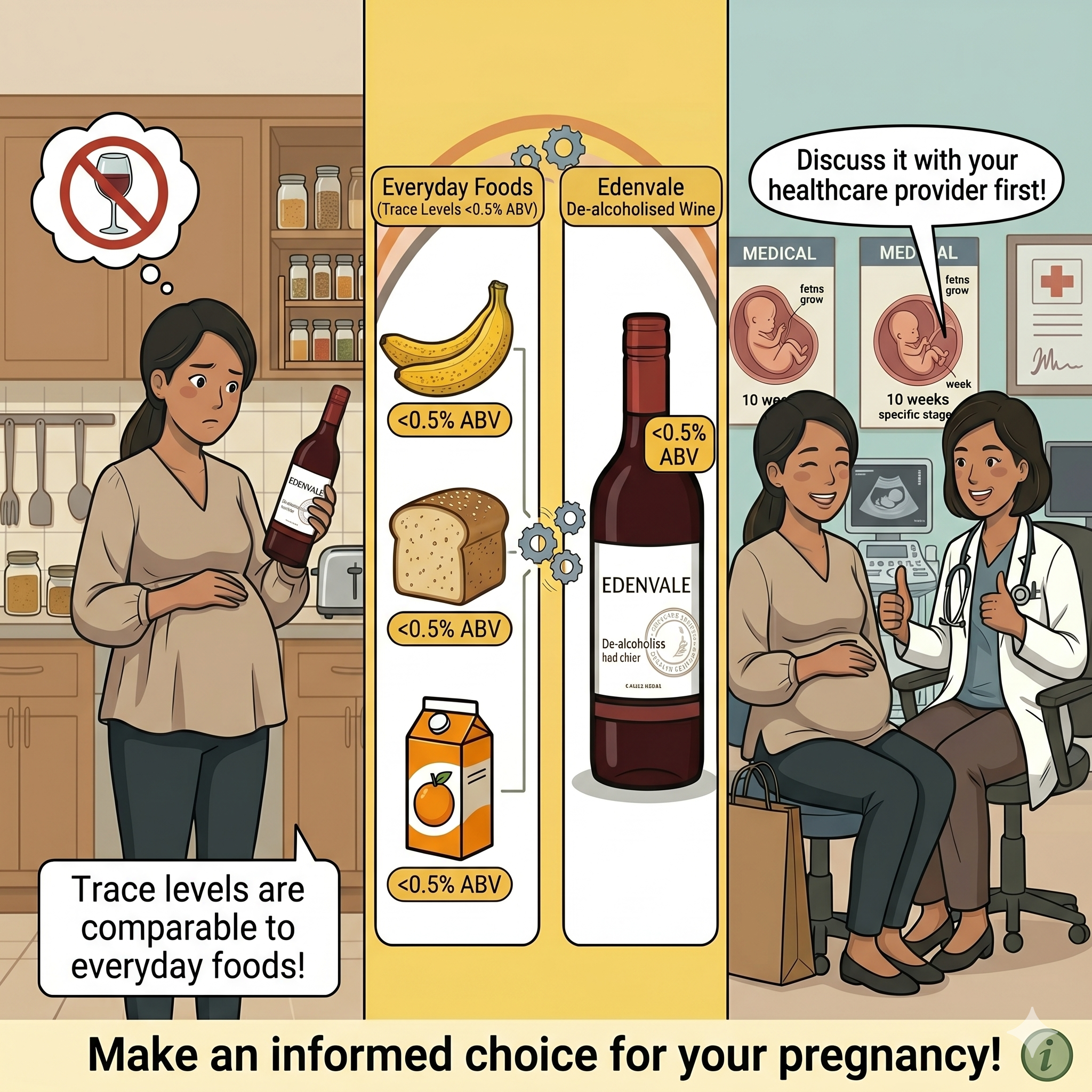
To put this in context, 0.5% ABV is the trace level at which many everyday foods naturally contain alcohol as a result of natural fermentation. This includes:
- 🍌 Ripe bananas and other fruits
- 🥤 Certain fruit juices
- 🍞 Bread and baked goods made with yeast
- 🍵 Kombucha and kefir
The trace alcohol in dealcoholised wine is comparable to what many people consume daily without being aware of it.
That said, "comparable to ripe fruit" is not the same as "confirmed safe during pregnancy." The scientific literature on dealcoholised wine and pregnancy specifically is limited, and individual health circumstances vary significantly.
🏥 What Do Health Authorities Say?
Most major health authorities — including the UK's National Health Service (NHS) and the WHO — have not issued specific guidance on dealcoholised wine during pregnancy. Their general position is to recommend avoiding all alcohol, and because products under 0.5% ABV exist in a grey area of existing guidance, they often err on the side of caution.
Some doctors and midwives are comfortable with occasional consumption of less-than-0.5% ABV products during pregnancy. Others prefer to advise avoidance entirely, in the absence of specific safety data.
The honest answer is: there is no definitive, universally agreed guidance on dealcoholised wine and pregnancy. This is why a conversation with your own doctor is essential. 👩⚕️
🇲🇾 Other Considerations for Malaysian Mums-to-Be
⚠️ Sulphites: Edenvale wines contain sulphites (preservative 220), as stated on the label. Sulphites are common in many foods and beverages, but some people are sensitive to them. If you have a known sulphite sensitivity, this is worth discussing with your doctor.
🔢 Sugar and calories: Dealcoholised wine is lower in calories and sugar than conventional wine, which may be a consideration for expectant mums managing gestational diabetes or weight gain.
📋 Ingredients transparency: Edenvale lists all ingredients clearly: de-alcoholised wine, grape juice concentrate, preservative (220). There are no artificial flavourings or sweeteners.
🥂 Alternatives Worth Considering
If you're looking for sophisticated non-alcoholic drinks during pregnancy that sidestep the 0.5% ABV question entirely, consider:
- 💧 Sparkling water with fresh citrus and herbs
- 🍹 Alcohol-free mocktails made with fresh ingredients
- 🌸 Non-fermented fruit and botanical beverages
- 🫖 Chilled herbal teas served as a dinner drink
Hancy Marketplace's blog also includes mocktail recipes using Edenvale wines if you'd prefer to dilute the wine further in a mixed drink. 😊
💡 The Key Takeaway
Dealcoholised wine contains less than 0.5% ABV — a trace level comparable to naturally occurring alcohol in everyday foods. Whether this is appropriate to consume during your pregnancy is a personal medical decision that depends on your individual health circumstances, trimester, and your doctor's guidance.
We encourage all expectant mums to discuss this with their healthcare provider before deciding. What we can offer is full ingredient transparency, honest product information, and nationwide delivery for whenever you're ready. 💛
👉 View the full Edenvale range at Hancy Marketplace →
📱 For any questions about our products and ingredients, contact us on WhatsApp at +601162032303.